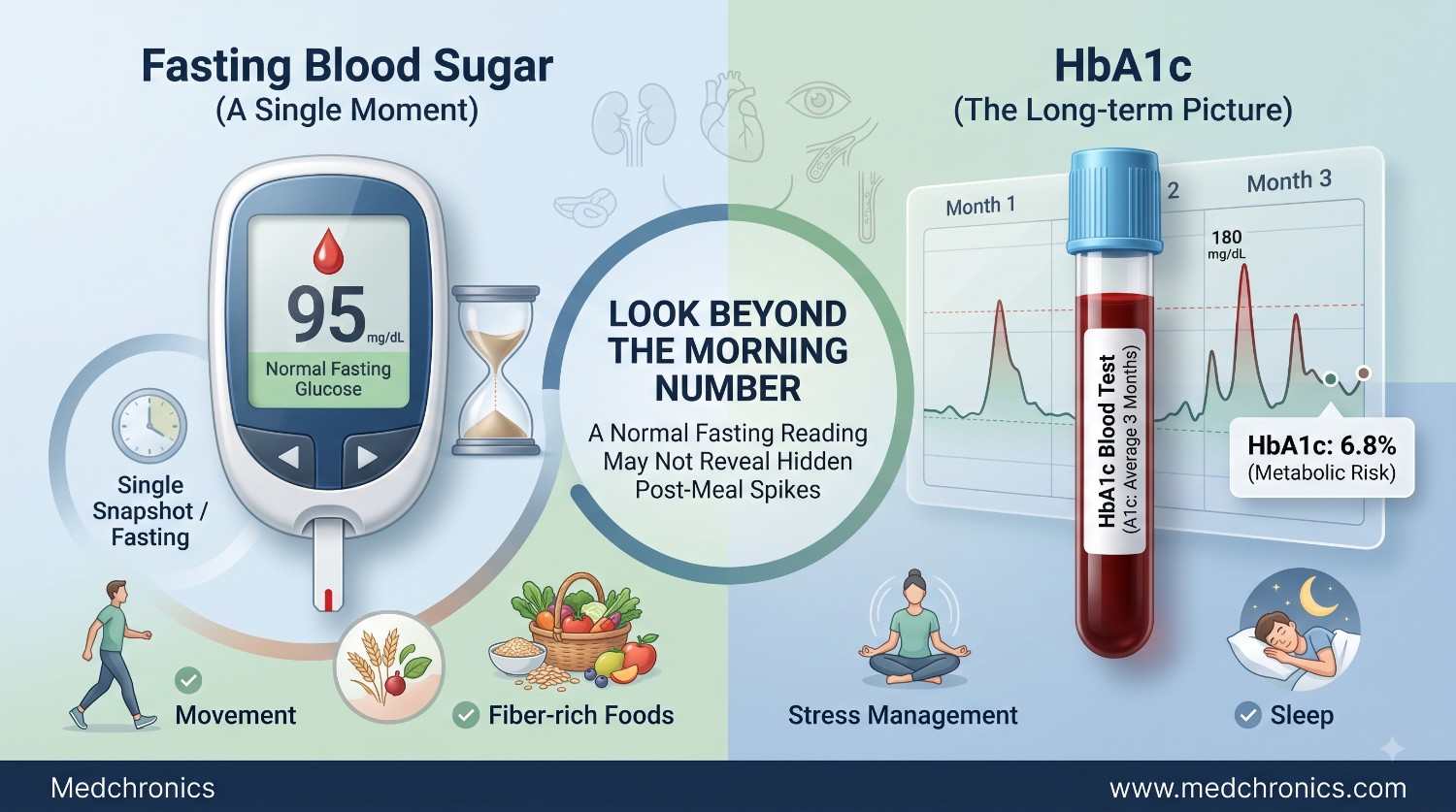
HbA1c vs Fasting Sugar: Avoid False Relief, Protect Your Health

HbA1c vs Fasting Sugar

Let’s talk about HbA1c vs Fasting Sugar. One day you wake up and perform your morning finger prick, and see a number comfortably resting below 100 mg/dL. It is easy to breathe a sigh of relief, assume everything is under control, and go about your day. However, relying solely on that single morning check can … Read more

High Uric Acid Foods: 4 Triggers That Silently Crystalize in Your Joints

High Uric Acid Foods

High Uric Acid Foods: Did you know that a sudden, excruciating pain in your big toe or ankle in the middle of the night might have nothing to do with a physical injury? The real danger is often a silent chemical buildup happening inside your bloodstream. If you ignore high uric acid levels, those excess … Read more

Pediatric TB: NTEP Guidelines

Pediatric TB

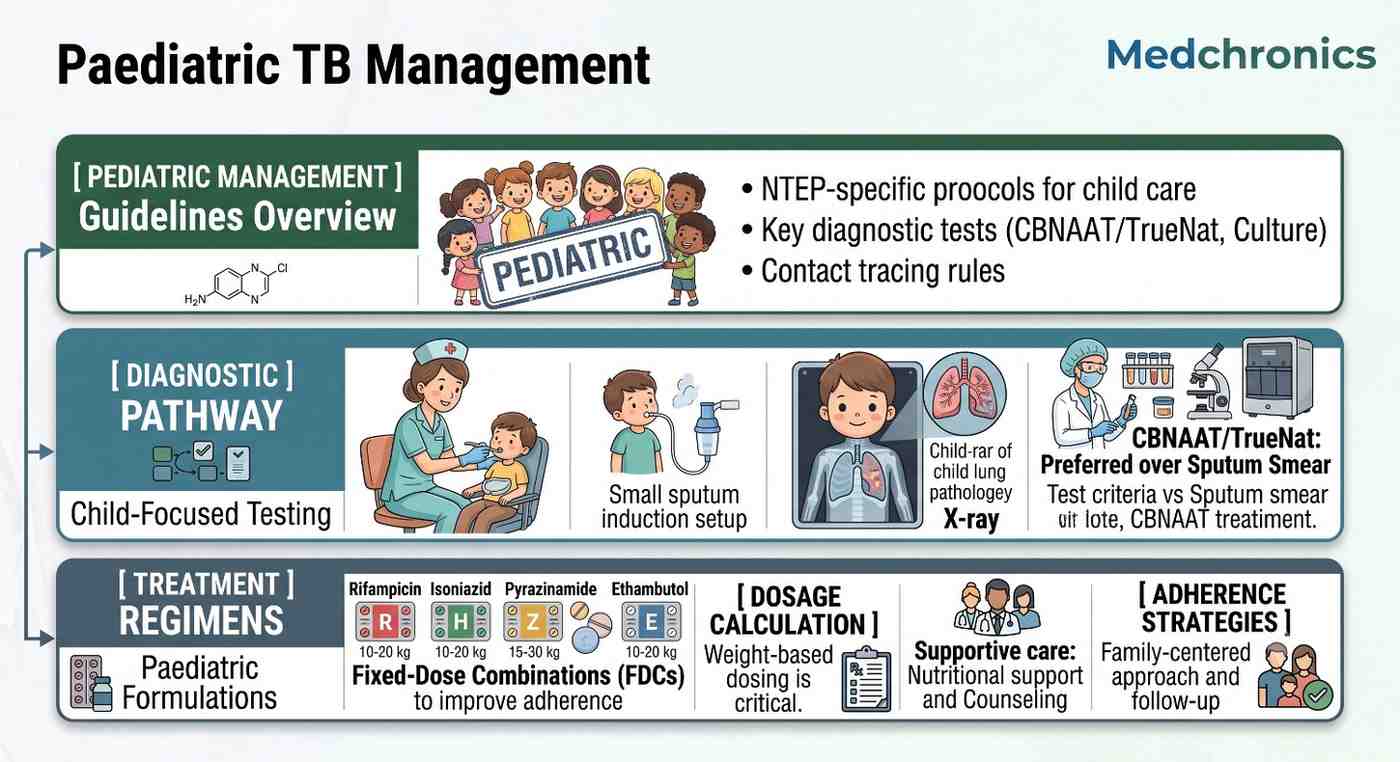
Pediatric TB (Tuberculosis) remains a shocking public health challenge for our youngest populations. When a tiny bacterium enters a child’s body, it starts a complex biological battle. To win this war, the National Tuberculosis Elimination Programme (NTEP) in India updated its structure to ensure early detection, universal drug testing, and highly effective daily treatment combinations. … Read more

Malaria: Symptoms, Causes, and Easy Ways to Stay Safe

Malaria

Imagine a tiny, microscopic monster sneaking into your body and hijacking your cells. That is exactly what happens in malaria. While it sounds scary, malaria is completely preventable and curable. Let’s break down the science behind this disease and learn how to defeat it. What Causes Malaria? (The Biological Hijack) Bacteria and viruses are not … Read more

5 Critical Signs of Diabetic Organ Damage

5 Critical Signs of Diabetic Organ Damage

Did you know the 5 critical signs of diabetic organ damage? This means the real danger of diabetes is not just high sugar, but the silent damage it causes inside your body. If you ignore regular checkups, your kidneys and eyes can slowly get damaged without causing you a single drop of pain. Imagine your … Read more

10 Vital Facts About Diabetic Neuropathy

Diabetic Neuropathy

Managing diabetes involves a lot of moving parts—monitoring what you eat, tracking blood sugar numbers, and staying on top of prescriptions. However, there is one crucial area that frequently gets overlooked until a problem arises: your feet. When you live with diabetes, the way your lower extremities sense pain and recover from minor injuries changes … Read more

10 Essential Tips to Prevent Diabetic Foot Ulcers Before They Start

Diabetic foot ulcer

Finding ways to protect your body from diabetic foot ulcer is one of the most important parts of living with diabetes. While you might focus a lot on food and blood sugar tracking, international healthcare groups point out that your feet actually need the most daily protection. Because diabetes can damage your nerves and slow … Read more

Let’s Talk About Parkinson’s Disease: A Simple Guide

Parkinson's Disease

When you see someone whose hand is shaking, you might instantly think, “Oh, that must be Parkinson’s disease.” While that can be true, there is a much bigger story here. Parkinson’s is not just about shaking hands. It affects the whole body in different ways, and it looks unique for every single person. Let’s break … Read more

Hyperglycaemia: The Hidden Dangers of High Blood Sugar

Illustration showing high blood sugar levels in hyperglycaemia using a glucometer

Blood sugar levels constantly rise and fall throughout the day. After eating, glucose increases as the body absorbs nutrients. Later, insulin helps bring those levels back down. But sometimes, this balance stops working properly. When blood sugar remains too high for a prolonged period, the condition is called hyperglycaemia, commonly known as high blood sugar. … Read more

Hypoglycaemia: The Shocking Truth About Low Blood Sugar

Hypoglycemia

Low blood sugar may sound like a small issue, but for someone living with diabetes — or even certain non-diabetic conditions — it can quickly turn into a medical emergency. Hypoglycaemia (also spelled hypoglycaemia) refers to a condition where blood glucose levels fall below normal. Glucose is the primary source of energy of body, significantly … Read more