Imagine a tiny virus moving silently through the air like a ninja, spreading cough and fever. This is Human Metapneumovirus (HMPV) — part of the Pneumoviridae family and a close cousin of RSV. Discovered in 2001 in the Netherlands, it usually causes cold or flu-like symptoms, mainly affecting:
- Young children (<5 years)
- Older adults (>65 years)
- People with weak immune systems
It spreads through droplets from sneezing, handshakes, or contaminated surfaces like door handles and toys.
Although there have been more incidents in China, India, and Kazakhstan in 2025, experts advise against panicking.
Table of Contents
Symptoms: Mild to Serious
Common symptoms:
- High fever
- Stuffy or blocked nose
- Sore throat
- Mild breathing difficulty
- Body ache or headache
In some people, especially those with poor health or chronic illness, it can get serious:
- Wheezing
- Trouble breathing
- Chest pain, dizziness, or extreme fatigue
- Persistent high fever or dehydration
In children, it can sometimes cause:
- Bronchitis: Inflammation of the bronchi (large airways).
- Pneumonia: Inflammation of the alveoli (tiny air sacs in the lungs).
Symptoms usually last about 8–10 days, but if not treated on time, hospitalization may be needed.
Global Spread: Who’s at Risk?
HMPV is found worldwide, but because of limited testing, the exact numbers are unclear. While all age groups are affected, the following are more vulnerable:
- Children under 5 (especially babies)
- Older adults over 65
- People with weak immunity (transplant patients, HIV, cancer)
- Those with asthma, COPD, and heart disease
- People in crowded places like daycare centers or nursing homes
Some Facts and Figures
- Approximately 6.24 percent of hospitalized cases of acute respiratory infection (ARI) are associated with HMPV.
- The infection rate in children under 2 years is about 7.6%.
- Adults and older children frequently experience reinfections.
- Higher risk among premature babies and people from poorer communities.
Seasonality: A Winter Guest
The most common times for HMPV to occur are late winter and spring (January to March).
Its season overlaps with RSV and influenza.
| Virus | Peak Time | Duration |
| HMPV | Jan–Mar | 12–16 weeks |
| RSV | Oct–Apr | 16–22 weeks |
| Influenza | Dec–Mar/Apr | 6–8 weeks |
Cause: How HMPV Attacks
It is a single-stranded RNA virus. It uses its G and F proteins to enter your respiratory cells. It spreads by:
- Coughing and sneezing
- Direct contact (like shaking hands)
- Touching contaminated surfaces (toys, door handles)
How Long Does It Stay in the Body?
- In children: 7–14 days.
- In people with weak immunity: up to 28 days, sometimes even 182 days.
- Surprisingly, even people without symptoms can spread the virus for about 5–7 days.
Where Does It Spread Most?
Common spots:
- Homes
- Schools and daycare centers
- Hospitals and nursing homes
Recent studies have also discovered new HMPV variants (G-111-nt, G-180-nt) which could help in vaccine research and virus tracking.
Treatment: For Now, Only Supportive Care
There isn’t a specific vaccination or antiviral medication for HMPV at the moment.
Treatment depends on severity:
There isn’t a specific vaccination or antiviral medication for HMPV at the moment.
- Mild cases: Fever and pain medicines (acetaminophen, ibuprofen), rest, and hydration.
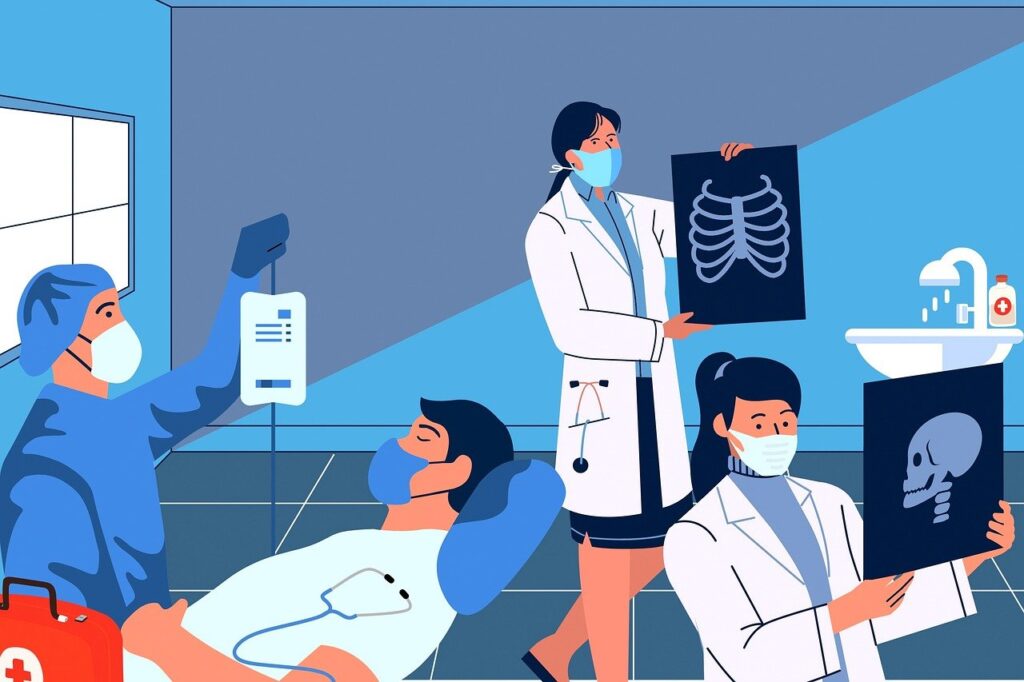
- Severe cases: Oxygen therapy, IV fluids, or sometimes ventilators.
Research updates:
- Although there is little research on humans, ribavirin has demonstrated potential in animals.
- Monoclonal antibodies (MAb 338, MPE8) and Moderna’s mRNA vaccine (safe and effective in 2019 Phase I trial) are under development.
Who Is in the Danger Zone?
- Babies under 6 months.
- Adults over 65.
- Immunocompromised people (cancer, HIV, transplant patients).
- People with chronic illnesses (COPD, asthma, heart disease, diabetes).
- Those living or working in crowded places.
- Premature infants.
- Travelers to outbreak areas.
Numbers to Know
- It is linked to about 6.24% of hospitalized ARI cases.
- ~7.6% infection rate in children under 2 years.
- Mortality rate among high-risk hospitalized patients: 8–10%.
- Average hospital stay: 5–7 days.
- Co-infections: 10–30% viral (RSV, influenza), 15–20% bacterial (Streptococcus pneumoniae).
- 5.4% of hospital admissions and 6.2% of respiratory tests in China were related to Human Metapneumovirus in December 2024 (China CDC).
Prevention Tips: Protect Yourself & Others
- Use soap to wash your hands for at least 20 seconds.
- Avoid close contact with sick people.
- When you cough or sneeze, keep your mouth and nose covered.
- Clean and sanitize surfaces that are regularly touched, such as doorknobs and toys.
- Stay home if you’re sick; don’t share cups or utensils.
2025 Updates
- A rise in cases recorded in Kazakhstan, India, and China at the beginning of 2025.
- In India, 7 confirmed cases across Karnataka, Gujarat, Maharashtra, and Tamil Nadu (no big surge, according to ICMR).
- Kazakhstan confirmed 30 cases out of 8,360 tests in 2024.
- China launched a new surveillance system for better tracking.
There is no need to fear, according to experts and the WHO, as this is a typical seasonal increase.
What’s Next?
- Ongoing work on Moderna’s mRNA vaccine and monoclonal antibodies.
- Experts hope for a breakthrough soon.
Why It Matters
Although HMPV might seem like just another cold, it can be harmful to infants, elderly people, and people with weakened immune systems.
With knowledge and simple precautions, we can protect ourselves and those around us.
Stay alert. Stay clean. Outsmart HMPV!
Frequently Asked Questions
Q: What is Human Metapneumovirus?
HMPV is a respiratory virus from the Pneumoviridae family, closely related to RSV. It causes cold or flu-like symptoms and mainly affects young children, older adults, and people with weak immune systems
Q: How does HMPV spread?
It spreads through droplets from coughs or sneezes, direct contact (like handshakes), and contaminated surfaces like door handles, toys, or mobile phones.
Q: What are the main symptoms of HMPV?
Common symptoms include fever, stuffy nose, sore throat, mild breathing difficulty, body aches, and headache. In severe cases, it can cause wheezing, pneumonia, or bronchitis.
Q: How long do HMPV symptoms last?
Usually, symptoms last about 8–10 days. In people with weak immunity, the infection can stay longer and may require hospital care.
Q: Is there a vaccine for HMPV?
No, currently there is no approved vaccine or specific antiviral treatment for HMPV. Supportive care, like rest, hydration, and, in severe cases, oxygen therapy, may be needed
Q: Who is at higher risk of severe HMPV infection?
Babies under 6 months, adults over 65, immunocompromised people, and those with chronic conditions like asthma, COPD, heart disease, or diabetes are at higher risk
Q: Can I get HMPV more than once?
Yes, reinfections are common, especially in adults and older children, because immunity may not last long.
Q: How can I prevent HMPV infection?
Wash hands regularly, avoid close contact with sick people, cover mouth while coughing/sneezing, disinfect frequently touched surfaces, and stay home if sick.
Q: Is HMPV dangerous?
For healthy people, it usually causes mild illness, like a cold. But for babies, the elderly, and people with weak immunity, it can cause serious breathing problems needing hospital care.
Q: Is there an outbreak of HMPV in 2025?
There has been a seasonal rise in cases in countries like India, China, and Kazakhstan in early 2025. Experts say there’s no need to panic, but simple precautions are important.